The Scarcity Paradox: Why the Digital Age Has Made Rare Physical Books More Coveted Than Ever

There is a common assumption, held with particular conviction among those who do not collect books, that the rise of digital reading has diminished the cultural and financial standing of the physical volume. The argument runs something like this: if one can download a complete works of Graham Greene for a few pounds, or listen to a Booker Prize winner on a morning commute, then the physical book — and particularly the expensive, fragile, condition-sensitive first edition — must surely be in decline.
The auction record suggests otherwise. Indeed, the evidence from British salerooms over the past decade points emphatically in the opposite direction. As digital access to literary content has become near-total, the market for rare and collectible physical books has not contracted. It has deepened, broadened, and in several categories, accelerated markedly.
Understanding why this is the case — and what it means for collectors making acquisition decisions today — requires engaging with some genuinely interesting questions about psychology, culture, and the economics of scarcity.
When Ubiquity Creates Rarity
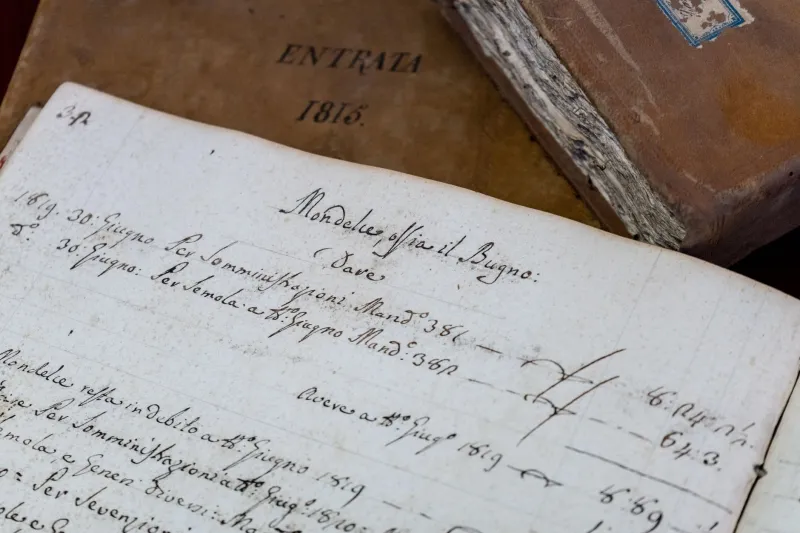
The foundational paradox is this: digital reproduction makes the text of a book infinitely available, but in doing so it throws the object into sharp relief. When a reader can access the words of a novel on any device, at any moment, the physical volume that first carried those words ceases to be merely a delivery mechanism. It becomes something else entirely — a historical artefact, a material witness to a specific moment in literary culture, an object whose value derives precisely from its irreproducibility.
This is not a new dynamic. The invention of the printing press made manuscripts rarer and more precious, not less. The mass-market paperback made pre-war first editions more desirable by contrast. Each wave of democratised access to literary content has, historically, intensified rather than diminished the appeal of the original physical object.
What is distinctive about the digital moment is its completeness. The separation between text-as-content and book-as-object has never been more total, and the market has responded accordingly.
The Tactile Premium: What Screens Cannot Replicate
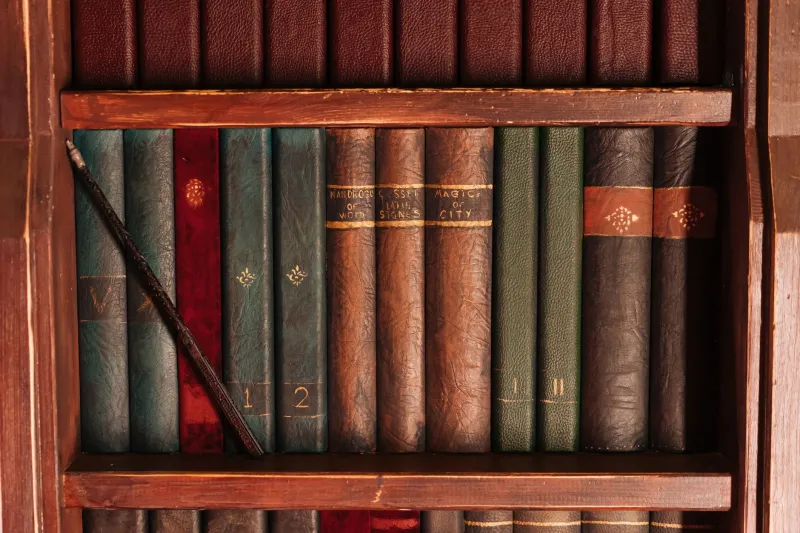
British collectors, when asked to articulate their motivations, frequently invoke qualities that no digital format can supply: the weight of a well-bound volume, the particular smell of aged paper, the visual pleasure of a fine dust jacket in pristine condition, the almost haptic satisfaction of a tight, unread binding. These are not trivial or merely nostalgic considerations. They represent a genuine and durable category of human experience that the screen, however sophisticated, cannot approximate.
This tactile premium has become commercially significant in ways that would have seemed surprising even fifteen years ago. Auction results for books in exceptional physical condition — particularly those retaining original dust jackets, which were so frequently discarded by libraries and casual owners — have strengthened considerably. The dust jacket, once considered peripheral packaging, is now understood by serious collectors as an integral component of the collectible object, often accounting for the majority of a book's market value in fine condition.
For collectors building holdings today, the condition premium has never been more pronounced. A first edition of a mid-century British novel in Very Good condition with an unclipped dust jacket is not merely incrementally more valuable than a reading copy of the same title. In the current market, it may be an order of magnitude more desirable.
Emerging Categories: Where the Digital Effect Is Reshaping Collecting
The influence of digital culture on the rare book market is not uniform. It has created particular energy in several specific collecting categories that merit attention.
Annotated reading copies represent one of the more intriguing developments. As the clean, unmarked text becomes the default digital norm, copies bearing evidence of genuine readerly engagement — marginal notes, underlinings, responses to the text — have acquired a new kind of appeal. A reading copy annotated by a significant literary figure is, of course, a long-established category of desirability. What is newer is the emerging collector interest in annotated copies more broadly, as material evidence of the pre-digital reading experience.
Limited and private press editions have seen sustained demand precisely because they represent a deliberate, craft-conscious resistance to the logic of infinite reproducibility. The Folio Society, the Nonesuch Press, the Golden Cockerel Press — these publishers created objects that were always intended to be collected rather than merely read, and the digital age has validated that intention retrospectively.
Books associated with the pre-digital literary internet — the fanzines, small press publications, and early self-published works of authors who later achieved prominence — represent a nascent collecting category that is only beginning to be properly understood. These ephemeral objects, produced in tiny quantities before digital self-publishing made such ventures unnecessary, have a scarcity that is structural rather than merely historical.
The Investment Dimension: Which Books Will Define Tomorrow's Market?
For collectors with an eye on long-term value, the digital age offers some useful predictive logic. The books most likely to appreciate significantly are those whose physical form is most integral to their meaning — illustrated works, artists' books, finely printed poetry collections — and those associated with the last generation of authors who worked exclusively in a pre-digital literary culture.
First editions by British writers who published their major works before the widespread adoption of word processing — the 1970s and earlier — benefit from production processes that were inherently more variable and more susceptible to the distinctions of issue and state that collectors prize. As this generation of writers recedes further into literary history, the documentary significance of their first editions will only increase.
Conversely, the collecting market for authors who came of age in the digital era is only beginning to take shape. The challenge of identifying investment-grade first editions among authors whose early work may exist in both physical and digital form simultaneously is one that the market is still working through. For the attentive collector, this uncertainty represents opportunity.
A Living Market in a Digital World
At Bloomsbury Book Auctions, we observe a collecting community that is, if anything, more engaged and more discerning than at any previous point. The digital age has not produced indifference to the physical book. It has produced collectors who understand, with unusual clarity, precisely what a rare physical volume offers that no screen can replicate — and who are prepared to compete seriously for the finest examples.
The scarcity paradox, properly understood, is not paradoxical at all. It is the entirely logical response of a market that has grasped, ahead of the broader culture, what it means for an object to be truly irreplaceable.